Razor bumps can be a common concern for men after shaving. They can become sore, cause irritation and can damage your confidence around your appearance. One particular type of razor bumps, known as Pseudofolliculities Barbae (PFB) can be especially irritating and painful.
However, non-PFB razor bumps can usually be managed with our tips for tackling razor burn, but PFB razor bumps may need slightly different care to leave you feeling comfortable after shaving.
What are Razor Bumps?
Razor burn is essentially irritation as a result of removing the top layer of skin while shaving. This in turn causes inflammation within your hair follicles, leading to ingrown hairs and razor bumps. Of course, there are many ways to avoid this.
We have a handful of tips and tricks to incorporate into your shaving routine - so that you can treat razor bumps and have the smoothest possible shave.
Razor Bumps: Here’s the Deal
Razor bumps and ingrown hairs start with a a genetic tendency towards curly hair. The irregular shape of curly hair shafts and the curls themselves make hairs prone to pushing back into the surface of the skin as they regrow after being cut. This genetic factor makes razor bumps and ingrown hairs very common in men of African or Indo-European descent.
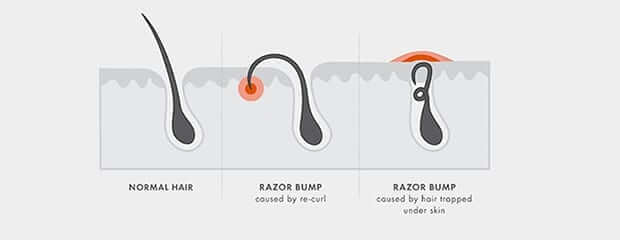
Razor bumps are also more likely if your hair shaft is dry during shaving, as it’s much harder for your razor to cut through hair in this case, leading to more tugging and pulling which can be painful. This cause your hair tips to be cut at an angle, making it even easier for the hair to penetrate back into the skin as it grows, increasing your risk of razor bumps.
How Long Do Razor Bumps Last
A common question that might come to mind is, “do razor bumps go away?” For many, this happens once you start shaving and eases off once your skin is accustomed to the blade. But for others, it can be an ongoing battle throughout your shaving lifetime.
While razor burn appears right after you shave and can be treated immediately with a moisturiser like our Gillette Labs Fast Absorbing Moisturiser, razor bumps are different. They often don’t appear until days after shaving, and can take longer to go away.
If you’re experiencing razor bumps for the first time, it could be beneficial to hold off a few days before your next shave to see if they clear up. Be sure to keep washing, exfoliating and moisturising but give your skin a rest from the blade.
Read on to discover the best treatment for razor bumps:
How to Stop Razor Bumps While Shaving
Cleanse: Set Up For Success
Razor bumps could be prevented by cleansing your skin with King C. Gillette Beard and Face Wash, a gentle scrub and warm water. This step is crucial to removing dirt and oil from the surface of the skin, and helping hairs to move more freely in the follicle, allowing your razor to make proper contact with your skin and hair.
Hydrate: Soften to Reduce Tugs
Introducing a shaving gel into your shave routine can help to hydrate your face and help hold the water on your hair. As your hair soaks up the water, it swells and softens, making it easier for your blades to cut. Learn more about the benefits of a wet shave.
Maintain: Restore the moisture
Shaving can remove more than just hair – essential moisture can also be removed, leaving you with tight, irritated, dry skin. Add a nourishing aftershave product, whether that be a balm or moisturiser to replenish you skin and facial hair after you shave. Find out more about the importance of a consistent post-shave routine.
How to Tackle Razor Bumps
At Gillette, we’ve been developing razors for over 118 years, and we’re always trying to find a way to tackle the issues men face during, and after, shaving.
Our Gillette SkinGuard Sensitive Razor is designed especially for men who have sensitive skin or who regularly suffer from shaving irritation making it a great product for reducing the number of razor bumps created by shaving. A clinical study demonstrated that shaving with SkinGuard over a 12-week period created 60% fewer razor bumps in male wet shavers.*
Using a razor with our advanced SkinGuard technology can help you shave skin prone to shaving irritation more comfortably, meaning you can even shave every day.
How to Address Ingrown Hairs
If you have an ingrown hair that looks unsightly or is causing you discomfort, try to avoid shaving this area for a couple of days to allow it to grow back towards the surface. Try to avoid scratching or picking the area, as this could lead to further discomfort.
*Razor bump reduction compared to baseline measurement at the start of the study. n = 20 males with self-assessed mild to moderate razor bumps who typically wet shave 3 or more times per week.